Owning a home brings an immense sense of pride, but it also comes with a long list of maintenance responsibilities. Among all the structural components that keep your property standing, the roof is undoubtedly the hardest working. It acts as an umbrella, absorbing punishing sun rays, shedding thousands of gallons of rainwater, and standing strong against whistling winds. Yet, because it sits high above eye level, it is often the most neglected part of a household, remembered only when a dark water stain suddenly appears on the ceiling.
Taking care of your roof is not about waiting for a disaster to strike and then reacting; it is about staying three steps ahead of the weather. By mastering the basics of roof health, identifying trouble spots before they worsen, and knowing when to hand the job over to the pros, you can easily add years to your roof’s lifespan and keep your hard-earned money in your bank account.
The Interlocking Anatomy of an Overhead Shield
To most people, a roof looks like a simple collection of shingles or tiles laid across a slope. In reality, it is a highly coordinated, multi-layered defense system where every single piece has a specific job to do.
The outer layer is your first line of defense, designed to shed water and take the hit from flying debris. Underneath those shingles lies the underlayment, a hidden, water-resistant barrier that catches any rogue moisture that manages to slip through the gaps. Below that is the wooden decking, the solid skeleton that holds the entire assembly together.
The unsung heroes of this entire setup are the flashing and the ventilation. Flashing consists of custom-fit metal strips installed around chimneys, vents, and valleys, essentially sealing the tricky joints where water loves to gather and pool. Meanwhile, a balanced attic ventilation system keeps fresh air moving underneath the roof deck. Without this airflow, trapped heat and humidity bake your shingles from the inside out, causing them to warp, crack, and age at double the speed.
Red Flags You Can Spot From the Ground
Roofs rarely fail out of nowhere. They give off quiet warning signs for months, and if you know what to look for, you can catch problems while they are still cheap fixes.
Keep an eye out for curling, buckling, or cupping shingles. As roofing materials dry out and age under the sun, they lose their natural flexibility and start to warp, making them easy targets for the next big windstorm to rip them away completely. Another major clue is finding a pile of sand-like mineral granules in your gutters. These granules are what protect your shingles from frying under intense ultraviolet radiation, so when they wash away, your roof is effectively sunburning and losing its durability.
Inside the house, the signs require immediate action. Look for peeling paint near the top of your walls or dark, expanding rings on your ceiling. If you see these blemishes, water has already breached the outer defenses and is actively soaking your structural timber and insulation.
The True Cost of Delaying System Inspections
It is easy to push roof maintenance down the weekend to-do list, but letting a small vulnerability slide is a massive gamble with your property’s health. Water is incredibly patient. A microscopic gap in your flashing or a single loose fastener can allow a tiny amount of moisture to enter your attic space every time it rains.
This hidden moisture acts like a slow poison, quietly rotting out the wooden trusses, ruining your home’s insulation, and creating a perfect breeding ground for toxic mold. By the time that tiny leak finally shows up as a noticeable stain on your ceiling, the structural damage behind the drywall can cost thousands of dollars to remediate. Regular check-ups eliminate the guesswork and ensure a tiny maintenance issue stays a tiny maintenance issue.
Why True Craftsmanship and Licensing Matter
The internet is packed with quick tutorials claiming anyone can patch a roof with a bucket of sealant and a putty knife. However, roofing is a highly precise trade with zero margin for error. An improperly placed nail or a slightly misaligned shingle can create a hidden channel that funnels water straight into your home rather than away from it.
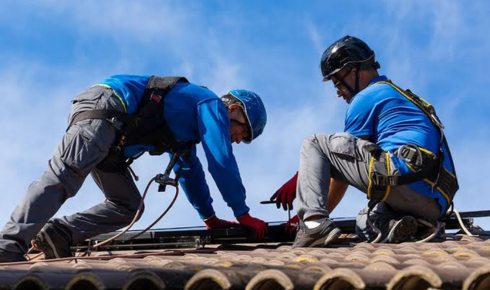
Beyond the technical difficulty, walking around on a steep, high surface is fundamentally dangerous without industrial safety gear and proper training. To get the job done right, it is always best to lean on certified regional experts. Booking an appointment with a trusted team like Edison California Roofing, Garden Grove, CA ensures your home gets serviced by licensed, insured professionals who know exactly how to handle regional weather patterns and strict local building codes. Experts bring specialized diagnostic tools, like infrared moisture detectors, to locate hidden issues underneath the surface without tearing up your good shingles unnecessarily.
The Long-Term Rewards of Proactive Upkeep
Putting a bit of effort into your roof rewards you in ways that go far beyond just staying dry during a storm. For starters, a healthy, well-ventilated roof keeps your home much cooler in the summer, which takes the pressure off your air conditioner and slashes your monthly electricity bills.
A beautiful, solid roof also dramatically boosts your property’s curb appeal and overall market value, giving future buyers total confidence should you ever choose to sell your property. Most importantly, it gives you absolute peace of mind. When the next major storm rolls into town, you can sit back and relax, knowing your primary shield is locked down tight and fully capable of keeping your family safe. To schedule a consultation with a team dedicated to excellence, visit us and take the first step toward a secure and durable home.