Most people notice their home’s water and indoor air only when something starts going wrong. The water softener runs out of salt just as the laundry piles up, a filter needs replacing when everyone is already busy, or the air inside feels stuffy despite the windows being closed. These aren’t dramatic emergencies, but they can make ordinary routines harder than they need to be.
For businesses, the consequences can be more serious. Water quality may affect equipment, cleaning processes, production schedules, and customer experience. Indoor air conditions matter too, particularly in buildings where employees and visitors spend long hours. In both settings, installing the right equipment is only part of the job. Ongoing care is what helps a system continue doing what it was designed to do.
Why Routine Water System Care Matters
Water treatment equipment works quietly in the background, which makes it easy to forget about. A softener reduces hardness minerals, filters capture certain particles or substances, and other treatment technologies address specific water quality concerns. When everything is operating properly, there may be little reason to think about the system at all.
Over time, however, filters become exhausted, components wear down, and operating conditions can change. A softener may use more salt than expected, or a filter may need replacing sooner because the incoming water contains a higher level of sediment. If maintenance is delayed, performance can decline gradually rather than failing all at once.
It helps to keep a simple service record. Note when filters were changed, when equipment was inspected, and whether anyone noticed a change in taste, odour, pressure, or system operation. These details give a technician a clearer picture of the system’s history and can make troubleshooting less of a guessing game.
Routine maintenance should follow the equipment manufacturer’s instructions and reflect actual water conditions. There’s no universal schedule that fits every property, especially when systems vary in size, technology, and daily demand.
Making Salt Supply One Less Thing to Worry About
Salt-based water softeners need an ongoing supply of salt to regenerate their resin and continue removing hardness minerals. When the salt level falls too low, the unit may not soften water effectively. That can lead to the familiar signs of hard water returning: spots on glassware, mineral deposits around faucets, and soap that doesn’t seem to work as well.
For a busy household, checking the brine tank regularly may be enough to keep things on track. A larger property or a business with several treatment units may need a more organised supply plan. Running out unexpectedly can disrupt maintenance routines, particularly when staff are responsible for other operational tasks as well.
A dependable salt delivery service can help households and businesses keep the right supplies available without relying on last-minute trips. When comparing providers, ask about delivery areas, order minimums, scheduling options, and the types of salt compatible with your equipment. Not every softener uses the same product, so it’s worth confirming the manufacturer’s recommendations first.
Salt delivery is only one part of proper system care. The tank, control valve, and other components still need periodic checks. If salt bridges or hardened deposits develop inside the tank, simply adding more material may not resolve the issue. A technician can advise on the appropriate cleaning and service procedure.
Commercial Water Treatment Has Different Demands
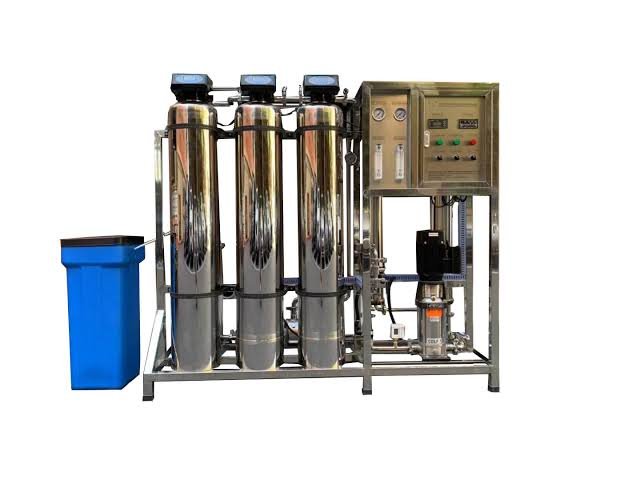
A business often uses far more water than a typical home, and the quality requirements can be quite different. Restaurants need reliable water for food preparation and cleaning. Hotels depend on consistent water service for guest rooms, laundry, kitchens, and heating equipment. Manufacturing facilities may have specific requirements tied to production processes or machinery.
That’s why commercial water treatment systems should be selected according to the building’s actual water use and the substances that need to be reduced. A system designed for a small office may not have enough capacity for a busy restaurant or industrial site. Flow rate, peak demand, water pressure, installation space, and maintenance access all deserve attention before equipment is chosen.
Testing is an important starting point. It can help identify hardness, sediment, dissolved substances, or other concerns relevant to the business. Once the results are understood, a qualified provider can recommend appropriate treatment technology and explain its expected performance.
Businesses should also think about what happens if a system needs servicing. Can the work be scheduled outside operating hours? Are replacement parts readily available? Is there a clear response process if the equipment stops working? These questions may seem mundane during installation, but they become important when a treatment problem threatens daily operations.
Plan for Maintenance Before a Problem Appears
Waiting until equipment fails is rarely the easiest way to manage a building. A planned service schedule gives owners and facilities managers a better idea of upcoming costs and helps reduce unexpected interruptions. It also creates opportunities to identify worn components before they cause a larger problem.
The right plan depends on the equipment. Some systems need frequent filter changes, while others require periodic inspections, sanitising, calibration, or replacement of specialised components. Service intervals should be based on manufacturer guidance, water conditions, operating hours, and the system’s performance history.
Keep documentation in one place, including installation details, manuals, test reports, and service records. If a new technician visits the property, this information can save time and help avoid repeating work unnecessarily.
It’s also sensible to review the treatment setup when the building’s needs change. A business may add production equipment, expand its kitchen, or increase occupancy. A system that once provided enough capacity might struggle under the new demand. Maintenance is not just about preserving existing equipment; it’s also about checking whether the arrangement still makes sense.
Indoor Air Quality Deserves Similar Attention
Water is only one part of a comfortable indoor environment. Dust, pollen, pet dander, smoke particles, and other airborne pollutants can affect how a building feels and, in some circumstances, how occupants experience the space. Heating and cooling systems may circulate particles when filters are dirty or unsuitable for the equipment.
Regular filter replacement is a useful starting point, but the right approach depends on the building and the source of the problem. A home with pets may have different needs from a medical office, workshop, or commercial kitchen. Ventilation, humidity, cleaning practices, and the condition of the HVAC system can all influence indoor air quality.
Professional air filtration services may help assess existing equipment, identify suitable filter options, and establish a maintenance schedule. Before selecting a new system, ask what it is designed to capture, whether it is compatible with the building’s ventilation equipment, and what ongoing upkeep it requires.
Air filtration also has limits. A particle filter won’t automatically solve every odour, gas, or ventilation issue. If indoor air problems persist, a broader assessment may be necessary to identify the source and determine whether ventilation improvements or other measures are appropriate.
Choose Providers Who Explain the Details
A reliable service provider should be willing to explain what a system does, what it cannot do, and how its performance will be checked. Clear pricing, written service recommendations, and practical maintenance guidance are more useful than vague promises that a product will solve every problem.
Ask whether the provider has experience with your type of equipment and building. For commercial properties, confirm how service visits are scheduled and how urgent issues are handled. For residential systems, understand which routine tasks you can manage yourself and when professional attention is recommended.
A Little Planning Goes a Long Way
Water treatment and air filtration rarely demand constant attention, but they do benefit from consistent care. Keep supplies available, follow service schedules, and investigate changes before they become disruptive. For businesses, planning ahead can also protect equipment, reduce avoidable downtime, and make maintenance costs easier to anticipate.
The aim isn’t to make home or building management more complicated. It’s to keep essential systems dependable so people can focus on their daily lives and work. With suitable equipment, clear records, and a practical maintenance plan, water and indoor air systems are much easier to manage over the long term.