
How to Keep Your Home Cleaner Between Professional Cleaning Visits
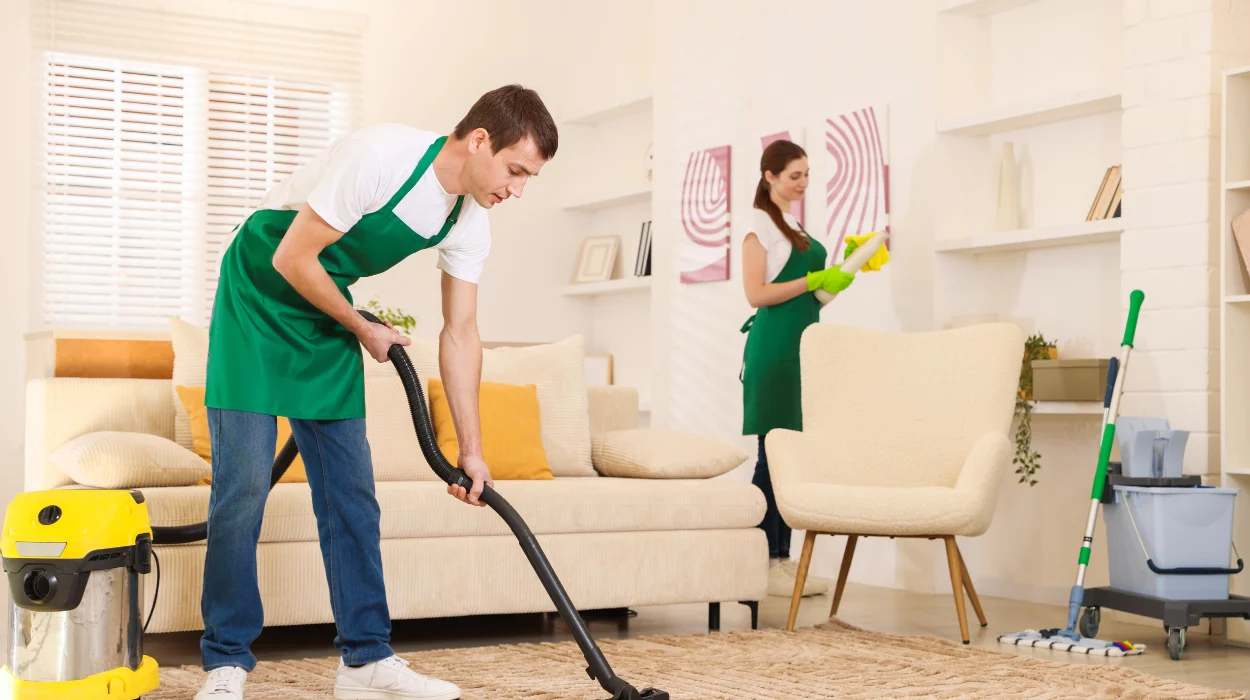
A professional cleaning service can make a noticeable difference to how a home looks and feels. Floors are properly cleaned, bathrooms are refreshed, dust is removed from overlooked areas, and the whole home often feels lighter and more organised.
The challenge is keeping it that way.
Even a freshly cleaned home can start looking untidy surprisingly quickly, especially in busy households with children, pets, frequent cooking or lots of daily activity. The good news is that maintaining a cleaner home between professional visits does not require hours of work every day.
A few simple habits can help prevent dirt, clutter and grime from building up too quickly.
Deal With Small Messes Before They Become Bigger Ones
One of the easiest ways to keep a home cleaner is to deal with small messes as they happen.
A few crumbs on the kitchen bench may not seem important, but if they are left for several days, they can spread onto the floor or become sticky.
The same applies to spills, toothpaste marks, soap residue and fingerprints.
Cleaning these small areas immediately usually takes less than a minute.
Leaving them for later can turn them into much more time-consuming cleaning jobs.
This is particularly useful in kitchens and bathrooms, where moisture, grease and residue can build up quickly.
Keep Kitchen Benches as Clear as Possible
Kitchen benches often become storage areas for mail, appliances, groceries, containers and random household items.
The more objects on the bench, the harder it becomes to wipe the surface properly.
A simple habit of keeping benches relatively clear makes daily cleaning much easier.
Try to give commonly used items a permanent place in a cupboard, drawer or pantry.
After cooking, wipe down the bench, splashback and stovetop before grease and food residue have time to dry.
This small routine can help the kitchen stay fresher between professional cleans.
Use a Simple Daily Floor Routine
Floors usually show dirt before most other areas of the home.
Dust, crumbs, hair and debris can accumulate quickly, particularly around kitchens, dining areas and entrances.
You do not necessarily need to vacuum the entire home every day.
Instead, focus on the highest-traffic areas.
A quick vacuum or sweep around the kitchen, dining table and entryway can prevent dirt from spreading through the rest of the house.
Homes with pets may benefit from more frequent vacuuming because pet hair can travel surprisingly far.
Keeping floor buildup under control makes a professional cleaning visit more effective too, because cleaners can spend more time on detailed areas rather than dealing with excessive everyday debris.
Make the Bed Each Morning
Making the bed does not technically make a room much cleaner, but it can make a bedroom look considerably more organised.
A tidy bed often encourages people to keep the rest of the room more organised as well.
Clothes are less likely to be thrown onto the bed, and clutter becomes more noticeable when the main area of the room already looks neat.
It is a simple habit that can change the appearance of a bedroom in just a few minutes.
Keep Bathroom Surfaces Dry
Bathrooms are especially vulnerable to buildup because of constant moisture.
After using the shower, allowing excess water to remain on the screen, tiles and fixtures can contribute to water marks and soap residue.
Using a shower squeegee after each use can help reduce buildup on glass.
Wiping excess water from taps and vanity surfaces can also help.
Keeping the bathroom ventilated is equally important.
Use an exhaust fan during showers and, when possible, leave the door or window open afterwards to allow moisture to escape.
These habits can make it easier to maintain bathrooms between deeper professional cleans.
Put Things Away Instead of Moving Them Around
One of the main reasons homes feel messy is not necessarily dirt. It is clutter.
A common habit is moving objects from one surface to another instead of putting them back where they belong.
For example, clothes might move from the bed to a chair, paperwork from the kitchen bench to the dining table and toys from the floor to the sofa.
The home may technically be tidier, but the clutter still remains.
Creating designated places for commonly used items can make a big difference.
Baskets, drawers, storage boxes and simple shelving can help keep everyday items organised.
The easier something is to put away, the more likely people are to do it.
Use the “Five-Minute Reset”
One useful habit is a five-minute reset at the end of the day.
Instead of trying to clean the whole house, spend five minutes returning things to their proper places.
This could include:
- putting dishes into the dishwasher
- placing cushions back on the sofa
- picking up toys
- putting shoes away
- clearing kitchen benches
- hanging up clothes
Five minutes may not sound like much, but when done regularly it can prevent clutter from accumulating.
It is usually much easier to maintain an organised home than to restore one after several weeks of buildup.
Pay Attention to High-Touch Areas
Some areas of a home collect fingerprints and grime much faster than others.
Light switches, door handles, fridge handles, cupboard pulls and remote controls are good examples.
These areas are often overlooked during everyday cleaning because the dirt builds up gradually.
Giving them a quick wipe every few days can help the entire home feel cleaner.
It can also prevent grease and marks from becoming harder to remove later.
Control Dirt at the Entrance
A large amount of household dirt enters through the front door.
Shoes can bring in soil, dust, sand, leaves and other debris from outside.
Using a good-quality doormat can help trap some of this dirt before it reaches the rest of the home.
Some households also choose to remove shoes indoors, particularly in carpeted homes.
Regularly cleaning the entrance area can prevent outdoor debris from being carried through multiple rooms.
Do Not Let Laundry Build Up
Laundry can quickly make an otherwise clean bedroom or bathroom look messy.
Try to keep dirty clothing inside a laundry basket rather than on floors or furniture.
Once laundry is washed and dried, putting it away soon afterwards helps prevent clean clothing from becoming another form of clutter.
Having separate baskets for different types of laundry may also make the process easier in larger households.
Clean as You Cook
Cooking can create some of the biggest everyday messes in a home.
Instead of waiting until the meal is finished, clean small things while food is cooking.
Put ingredients away as soon as you finish using them.
Place utensils into the dishwasher.
Wipe small spills before they dry.
By the time the meal is ready, much of the kitchen cleanup may already be done.
This habit can dramatically reduce how quickly grease, crumbs and food residue accumulate between professional cleaning visits.
Give Everyone in the Home a Small Role
Keeping a home clean becomes much easier when one person is not responsible for everything.
Even small contributions can help.
Children may be able to put toys away, make their beds or return shoes to a designated area.
Adults can share simple tasks such as loading the dishwasher, taking out rubbish or wiping kitchen surfaces.
The goal does not need to be a perfectly maintained home.
It is simply to prevent everyday mess from accumulating faster than it can be managed.
Leave the Detailed Cleaning to Your Scheduled Clean
Trying to deep clean constantly can make maintaining a home feel overwhelming.
Instead, focus on everyday maintenance between professional visits.
Tasks such as wiping benches, putting things away, vacuuming high-traffic areas and cleaning small spills are usually enough to keep things under control.
More detailed tasks such as scrubbing bathrooms, thoroughly dusting surfaces, cleaning skirting boards or tackling built-up grime can then be handled during a scheduled professional clean.
This approach creates a much more manageable routine.
A Cleaner Home Comes From Small Habits
Keeping a home clean between professional cleaning visits is less about doing major cleaning sessions and more about preventing small messes from accumulating.
A few minutes spent wiping a bench, putting items away or vacuuming a high-traffic area can make a significant difference over the course of a week.
The key is consistency.
When simple cleaning habits become part of everyday life, the home stays fresher for longer, and professional cleaning visits can focus more on detailed work rather than catching up on everyday mess.

