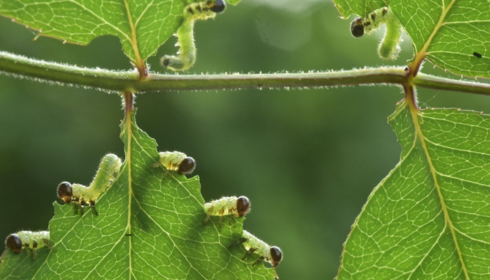
Perfectly manicured gardens can look beautiful to humans, but they sometimes offer less shelter and food to wildlife. A small “wild” patch – where you let grass grow longer, leaves lie, or a few native plants seed themselves – becomes a tiny habitat.
Insects find cover under leaves and among taller stems. Birds come looking for bugs, seeds and bits of nesting material. Pollinators may prefer less “polished” corners with more variety and natural structure.
This doesn’t mean turning your whole space into a jungle. Just dedicating one section as a more relaxed area – maybe behind a shed or in a back corner – can quietly support local biodiversity without wrecking your main aesthetic.
It’s your personal little nature reserve, humming along while the rest of the garden stays neat.